I thought a private pool represented freedom. Then I saw how much work it took to keep one ready for the few hours a week anyone actually used it.
The pool that never waits quietly
I used to envy villas with private pools.
The appeal was easy to understand. You could swim whenever you wanted. There would be no opening hours, crowded changing rooms or journey across town. The water would simply be there, waiting for you.
Then a friend bought a large house with a pool.
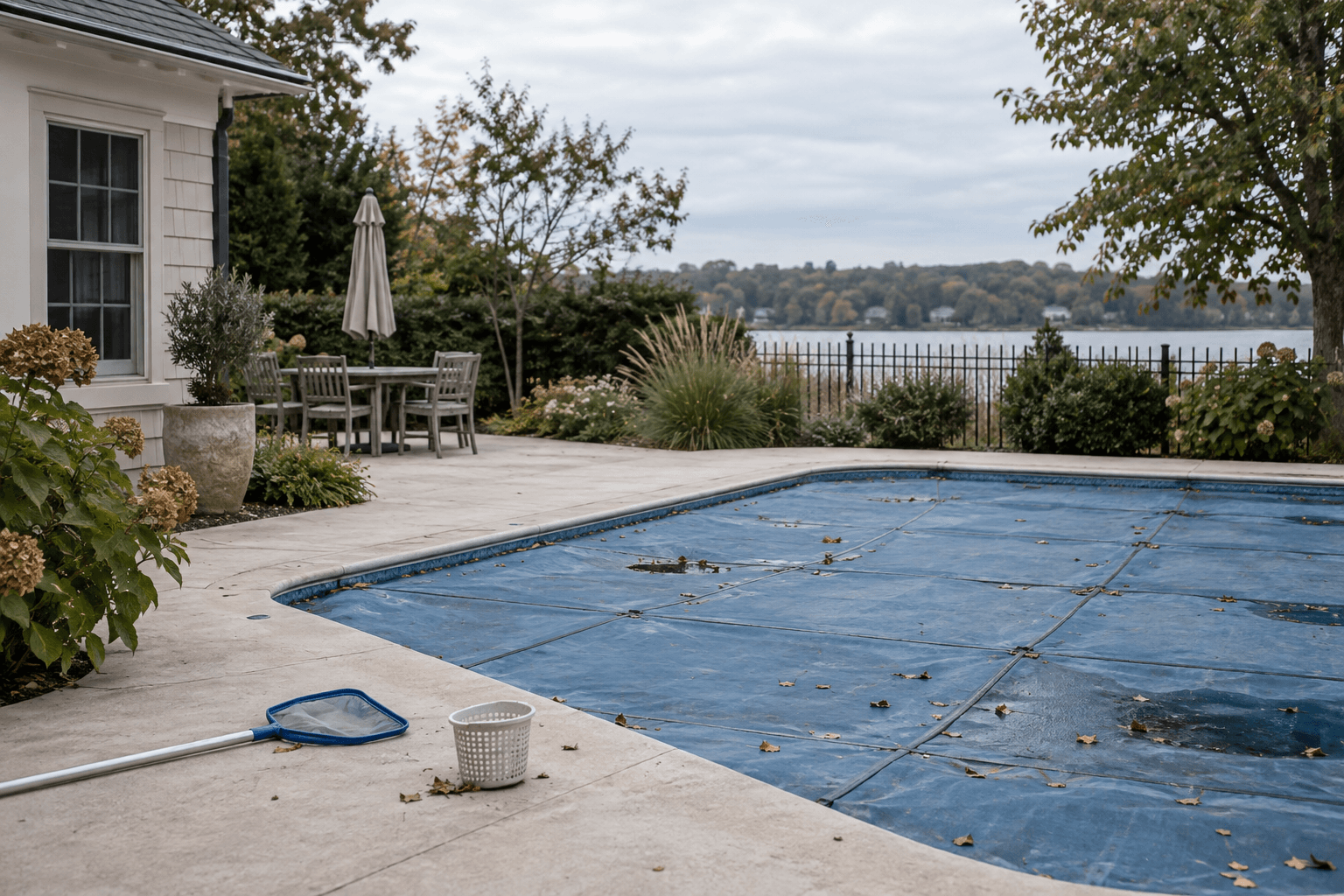
That was when I discovered that a pool does not quietly wait.
The circulation system has to run even when nobody is swimming. The water chemistry needs attention. A maintenance company visits to test and adjust it. In an indoor pool room, ventilation is not a decorative extra; moisture and air quality have to be managed too.
When the pool went unused for too long, a pale film began spreading across the surface. What had looked like effortless luxury suddenly became an urgent cleaning problem.
The family might use the pool for a few hours in an ordinary week. The pool required energy, money and attention every day.
This is not just one household being unusually careful. The CDC advises residential pool owners to test and adjust disinfectant and pH routinely, while filtration and circulation equipment add an ongoing energy system behind the experience. The CDC's guidance for home pool owners makes the responsibility clear.
That experience changed how I look at expensive possessions:
The purchase price is often the cheapest part of ownership.
Every object comes with a second price
The first price is visible. It appears on the listing, invoice or loan agreement.
The second price arrives slowly:
- maintenance and repairs;
- electricity, water, fuel or chemicals;
- insurance, inspections and professional services;
- the space required to store or operate it;
- the time spent cleaning, scheduling and troubleshooting;
- the attention it occupies even when nothing is wrong;
- the cost and effort of eventually selling or removing it.
A useful way to think about ownership is:
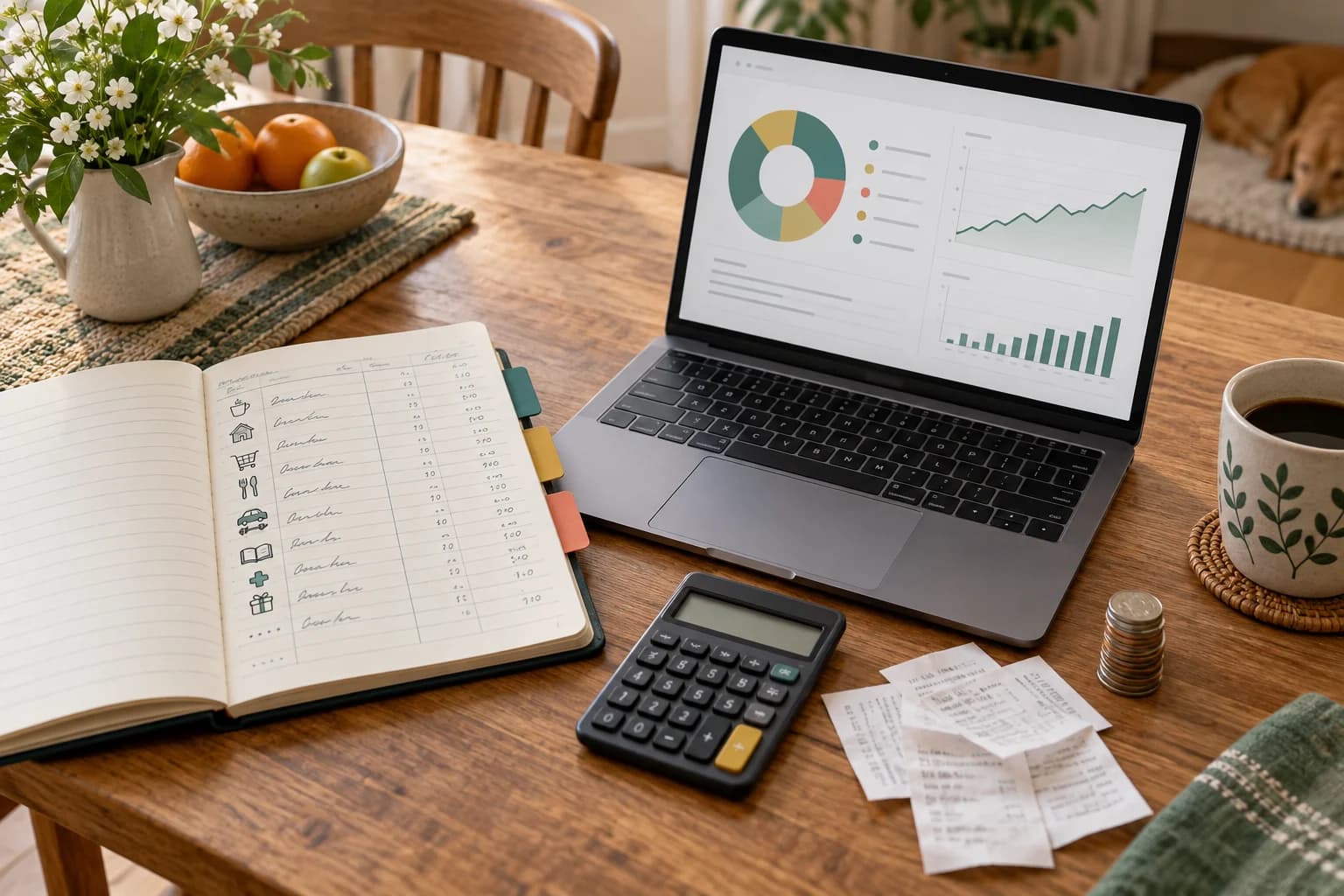
Real cost of ownership = purchase + maintenance + energy + space + time + attention + exit
Not every part can be expressed neatly in euros. That does not make it free.
The pool pump is a good example. Its cost is not only the price of the equipment but also how efficiently it runs and how many hours it operates. The US Department of Energy has shown how dramatically electricity use can differ between single-speed and lower-speed variable operation. Its pool-pump efficiency guide is technical, but the practical lesson is simple: the system behind a luxury can matter as much as the luxury itself.
The same pattern is hiding in other dreams
A pool is a vivid example, but it is not unusual.
A second car is purchased once and then bills you for insurance, tax, parking, maintenance, tyres and depreciation. It may spend most of its life stationary while its costs continue moving.
A larger house creates more than a larger mortgage. It creates more space to heat, furnish, clean, insure and repair. Every additional square metre can behave like a small recurring subscription.
A holiday home promises spontaneous escape, but it also produces a second set of utilities, repairs and empty-house worries. It can even reduce choice: once you own it, every trip somewhere else may feel like paying twice.
A boat may create ten wonderful days each year and demand storage, cleaning, insurance and mechanical care during the other 355.
A large garden can be healthy, productive and deeply satisfying. But there is a difference between wanting to garden and wanting to own land that somebody must garden.
Home fitness equipment can replace years of membership fees when it is used consistently. When it is not, it becomes an expensive object that consumes part of a room and is difficult to move.
The point is not that these things are bad. The point is that the experience and the responsibility are separate products—and ownership bundles them together.
Do you want the experience or the responsibility?
Before buying something large, expensive or maintenance-heavy, I now ask:
- How many hours a year will I honestly use it?
- What must keep running when I am not using it?
- Which professionals or specialist parts will I depend on?
- How much space will it permanently occupy?
- What happens if I ignore it for three months?
- Can I rent, borrow or access it when I need it?
- Will it give me freedom—or give me another responsibility?
For someone who swims every morning, hosts a large family or operates a guest property, a private pool may be entirely worthwhile. Frequent use can justify both the financial cost and the work.
For someone who wants an occasional relaxing swim, the public pool may be the more luxurious option. You arrive, swim for an hour, take a shower and leave. Somebody else monitors the water, runs the equipment and solves the mechanical problems.
You buy the experience without buying the system behind it.
Ownership should earn its place
Rich2Fire is not about refusing to own useful things. Durable ownership can reduce dependence and long-term spending. A reliable bicycle, a well-used tool or a simple home gym can create real autonomy.
But ownership should earn its place in your life.
The strongest candidates are used frequently, improve ordinary days, remain affordable to maintain and replace a recurring cost or external dependency. The weakest are used rarely while demanding continuous money, space and mental attention.
Financial freedom is not only the ability to buy expensive things. It is also the confidence to leave an expensive responsibility with somebody else.
Sometimes wealth means having a private pool.
Sometimes it means swimming for an hour, walking away and leaving somebody else to check the pH.